


SCS Award Winners 2026
It’s our pleasure to announce the winners 2026 of the SCS Scientific Award Programs. We would like to sincerely congratulate all winners for their outstanding scientific contributions, and we are looking forward to the Swiss Chemistry Science Night in Bern on September 18, 2026, where the official award ceremonies will take place. Award lectures will be organized as part of the program of one of our upcoming events.
Paracelsus Prize 2026
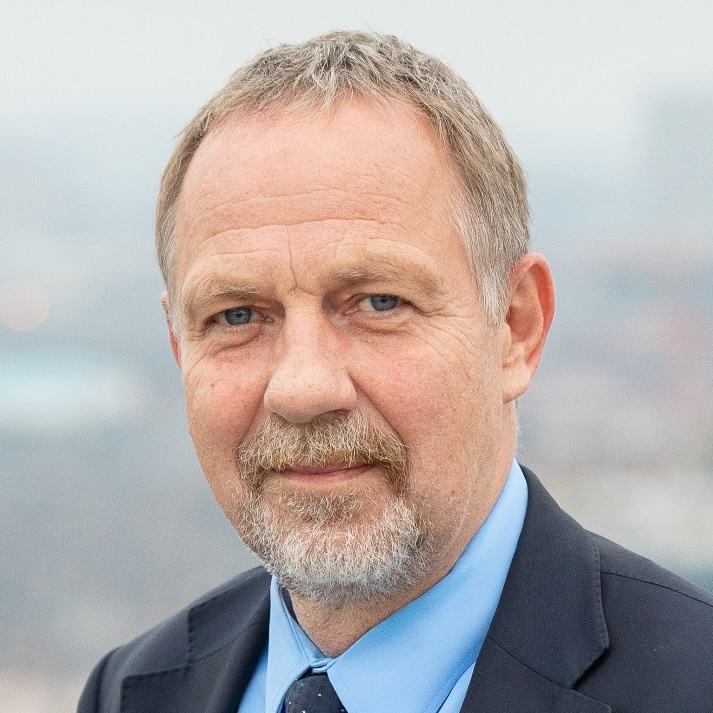 Prof. Detlef Günther, ETH Zurich,
is awarded for his pioneering contributions to the field of analytical chemistry, particularly in inductively coupled plasma mass spectrometry (ICP-MS).
The Paracelsus Prize is endowed with CHF 20'000 and a gold medal.
The award lecture is planned for the SCS Fall Meeting 2026, Bern, afternoon session of day 2 on August 28, 2026
Links:
Paracelsus Prize website
Website Prof. Günther
Picture: D. Günther
Werner Prize 2026
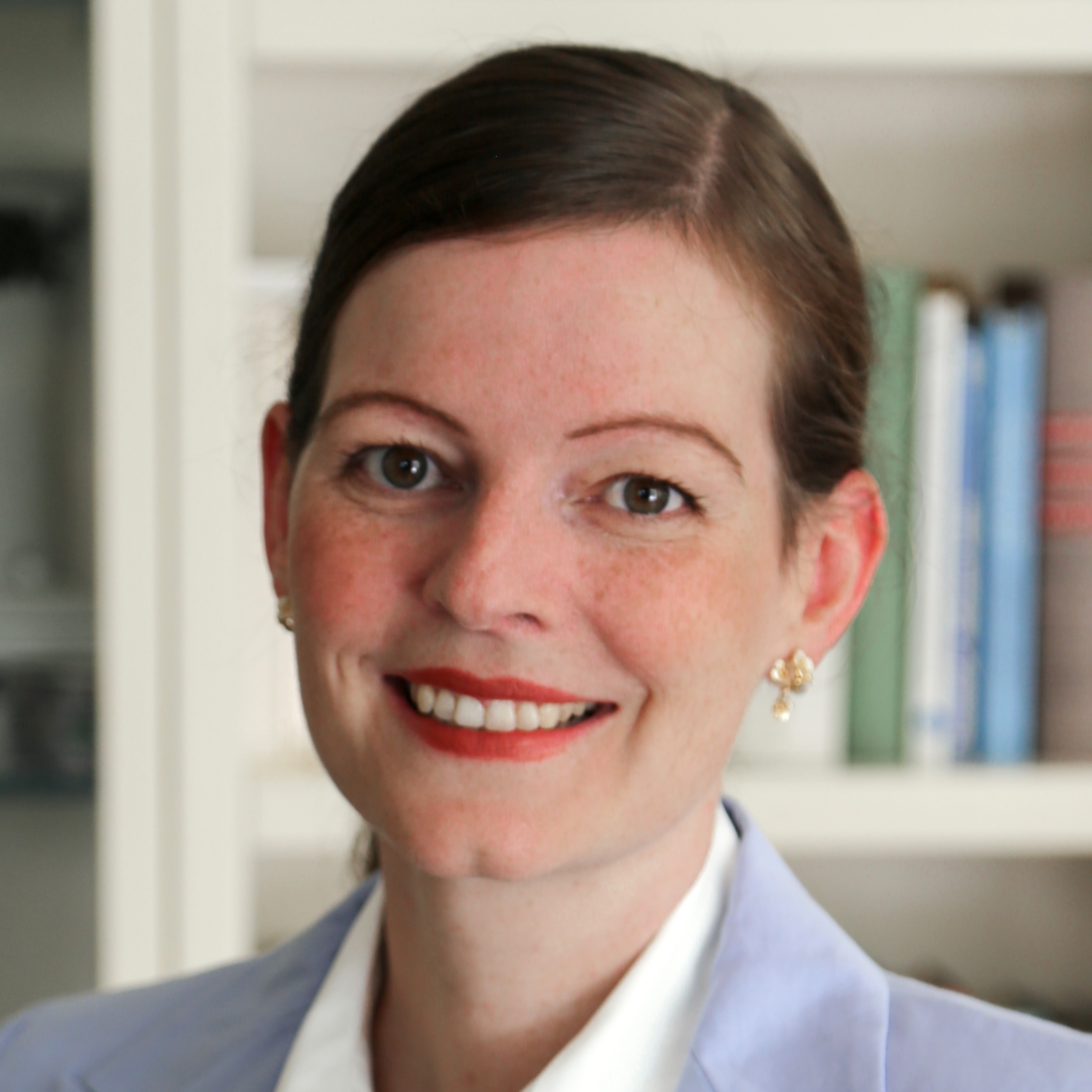 Prof. Nina Hartrampf, University of Zurich
receives the award for her outstanding program in chemical biology, driven by a detailed understanding of chemical reactivity, leveraged by state-of-the-art automation in flow chemistry, with a thorough evaluation in complex biological systems.
The prize is endowed with CHF 10’000 and a medal in bronze.
The award lecture will take place at the SCS Fall Meeting 2026, Bern, morning session of day 2 on August 28, 2026
Links:
Werner Prize website
Website Prof. Hartrampf
Picture by Clara Brand
Sandmeyer Prize 2026
 The SCS honors
Dr. Gabriel Schäfer, Dr. Stefan Abele, Tony Fleischer and Muhamed Ahmetovic
from the chemical process development team from Actelion/Idorsia
in recognition of the team’s outstanding achievements to developing a scalable and cost-efficient enantioselective route of synthesis for ACT-1004-1239, a potent CXCR7-antagonist.
The award is endowed with CHF 20’000.
The award lecture will take place at the 18. Freiburger Symposium on April 16, 2027 and the SCS Fall Meeting 2026, Bern, afternoon session of day 2 on August 28, 2026
Links:
Sandmeyer Prize Website
SCS Senior Industrial Science Award 2026
 Dr. Kurt Püntener, F. Hoffmann-La Roche AG
is honored in recognition for his outstanding contributions in delivering innovative and breakthrough solutions in route design and process development for accessing highly complex drug substances including peptides and oligonucleotides.
The prize is endowed with CHF 10’000.
The award lecture will take place at the SCS Fall Meeting 2026, Bern, afternoon session of day 1 on August 27, 2026.
Links:
Website SCS Industrial Science Award Program
Picture: K. Püntener
SCS Industrial Science Award 2026
 Dr. Samuele Cazzamalli, Philogen S.p.A
is awarded for his outstanding contribution in tumor-targeting therapeutics.
The award is endowed with CHF 7’000.
The award lecture is planned at the SCS Fall Meeting 2026, Bern, morning session of day 2 on August 28, 2026.
Links:
Website SCS Industrial Science Award Program
Picture: S. Cazzamalli
Swiss Green & Sustainable Chemistry Award 2026
 Prof. Sachin Handa, University of Missouri, Columbia, USA,
is honored for his groundbreaking work in water-based chemistry, in particular with the use and the understanding of the role of surfactants in catalysis.
The prize is endowed with CHF 10’000 and a certificate and is supported by Syngenta Crop Protetion AG.
The award lecture takes place at the SCS Spring Meeting in Fribourg, on April 23, 2026.
Links:
Website Swiss Green & Sustainable Chemistry Award
Website of Prof. Handa
Picture: https://chemistry.missouri.edu
Balmer Prize 2026
 Freu Gabrijela Pejic und das MINT-Frauennetzwerk,
erhalten den Preis für ihr Projekt, an den Gymnasien mehr Schülerinnen für die naturwissenschaftlich-technischen Fächer zu begeistern und sie zu entsprechenden Studien und Berufen zu motivieren.
Der Preis ist mit CHF 4’000 und einer Bronze Medaille dotiert.
Die Award Lecture findet am Zentralkurs Chemie, Gym Lerbermatt Köniz, 07.-09.10.2026 statt.
Links:
Balmer Prize Website
MINT-Frauennetzwerk (SCNAT)
Picture: G. Pejic
DIAC Fellowship Award 2026
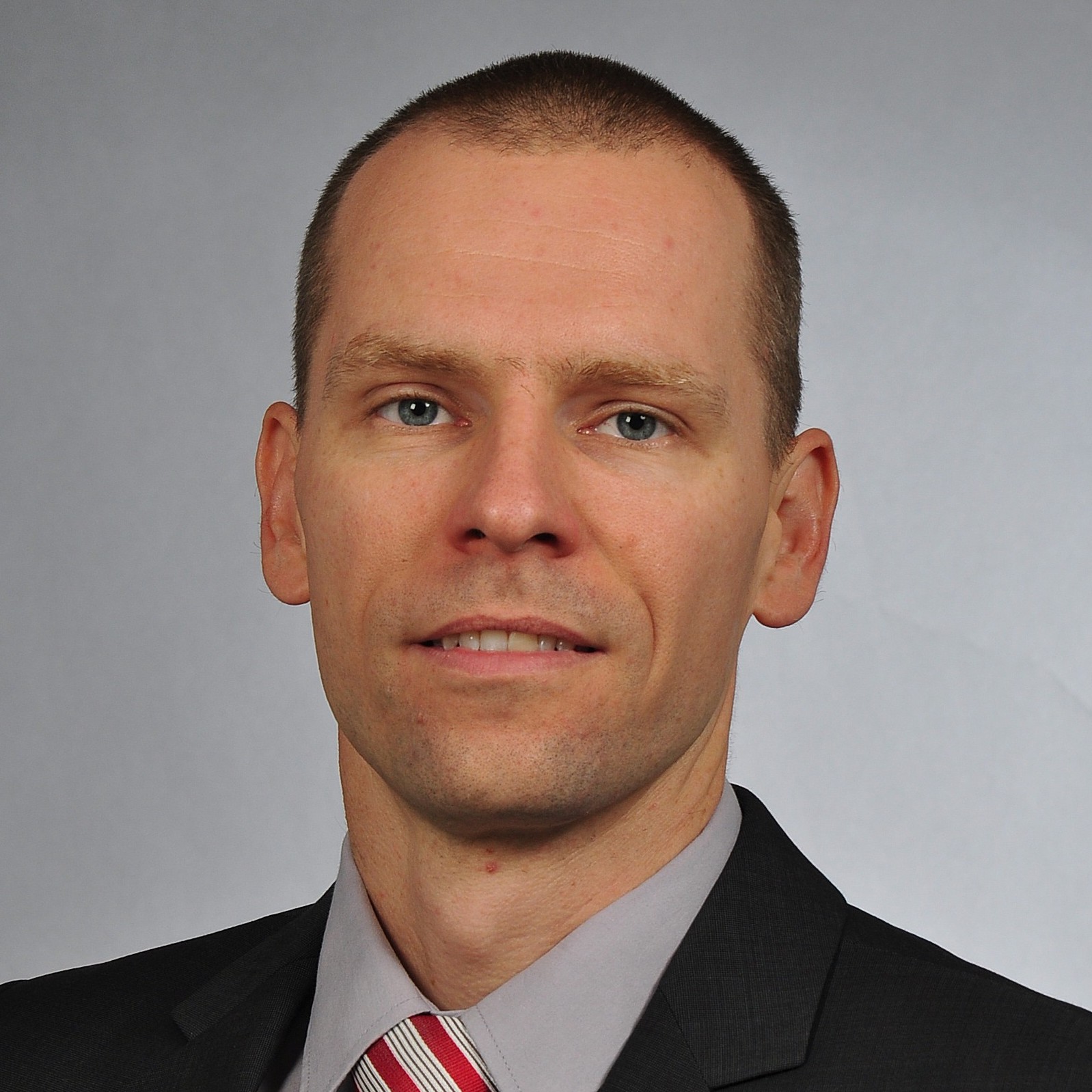 Dr. Tomas Smejkal, Syngenta Crop Protection AG
is awarded for his outstanding contributions in process chemistry, catalysis and high-throughput automation.
The award is endowed with CHF 1’000.
The tour will include lectures at University of Zurich, University of Fribourg as well as at Dottikon ES.
Links:
DIAC Fellow Website
Picture: T. Smejkal
Dr. Max Lüthi Prize 2026
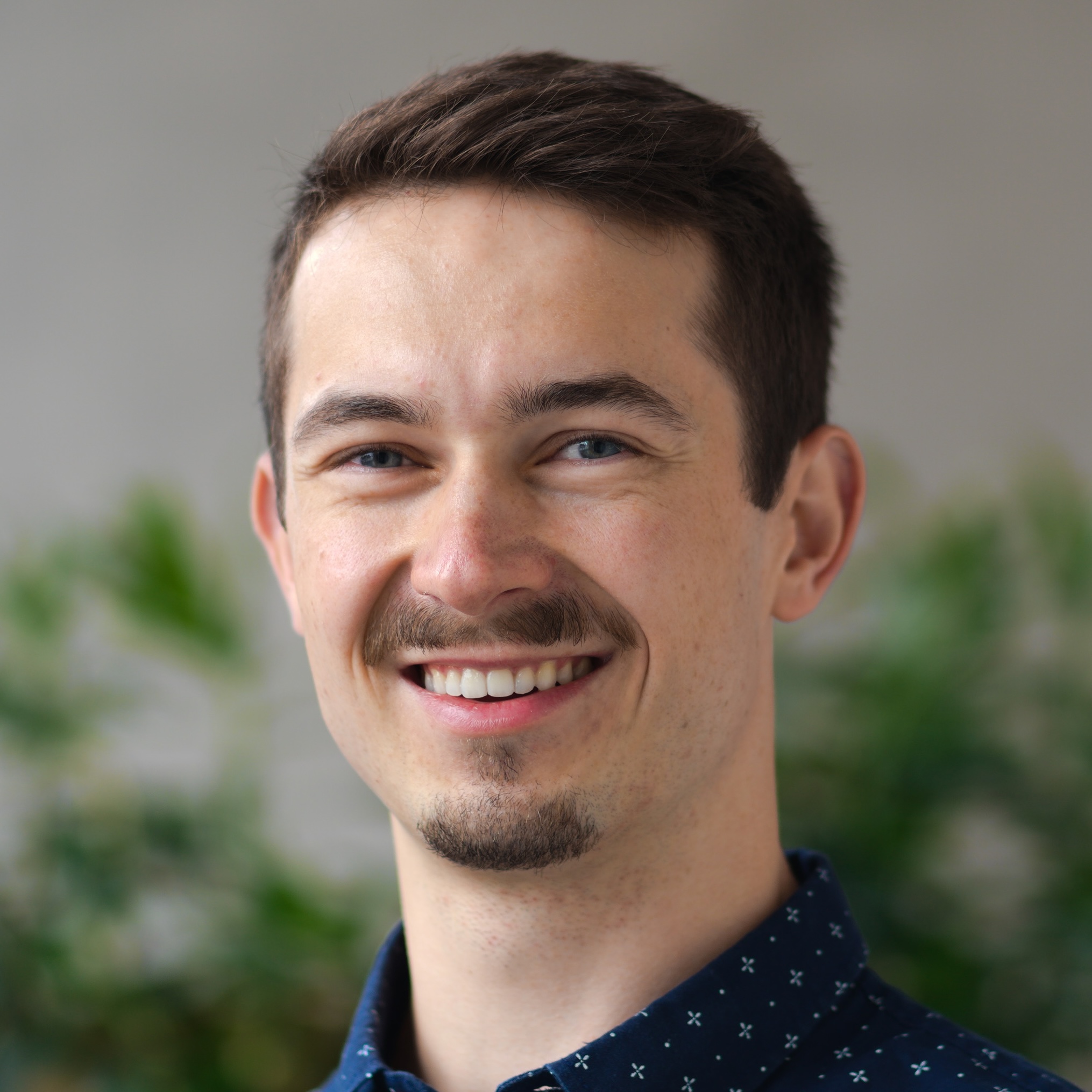 Herr Lukas Lagler, ZHAW Wädenswil,
wird geehrt für seine herausragende Bachelorarbeit «Synthese von Protein-Tyrosin-Phosphatasen-Inhibitoren».
Der Preis ist mit CHF 1’000 und einer Bronze Medaille dotiert.
Links:
Dr. Max Lüthi Preis Website
Picture: L. Lagler
David Spichiger, SCS
28.11.2025
Changes on the CHIMIA Editorial Board
From January 1, 2026, there will be changes to the CHIMIA Editorial Board.
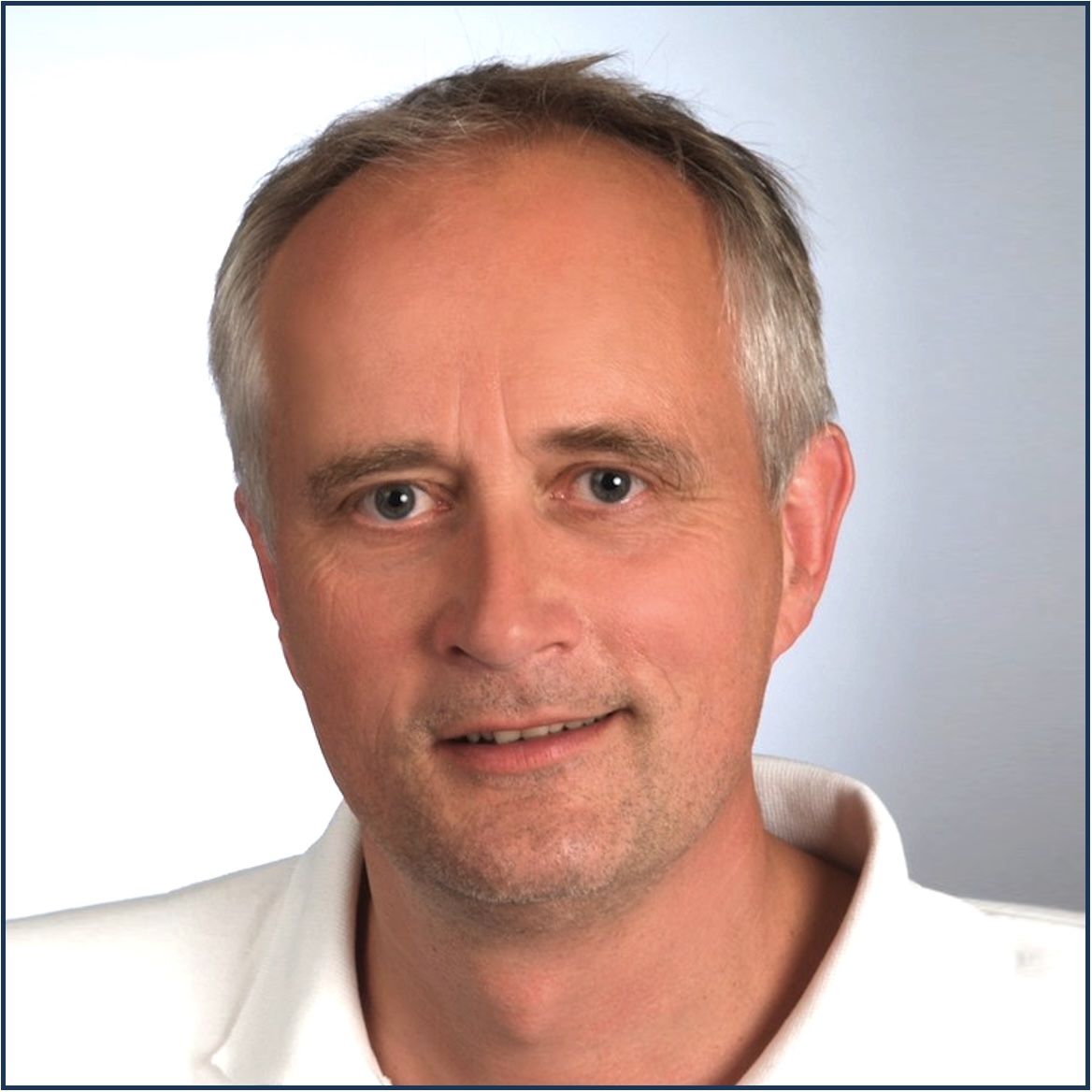
Dr. Fridtjof Schroeder, until very recently a research scientist at Givaudan, will be joining the Board to take up the position of Editor-in-Chief from 2027. His experience in industrial chemistry and research interests in process development including green chemistry and biotechnology will ensure a continuation of excellent special topics for CHIMIA. He will work together with the current Editor-in-Chief Catherine Housecroft during 2026 to learn the processes involved and to guarantee a smooth transition in 2027. The Editorial Board of CHIMIA welcomes him!
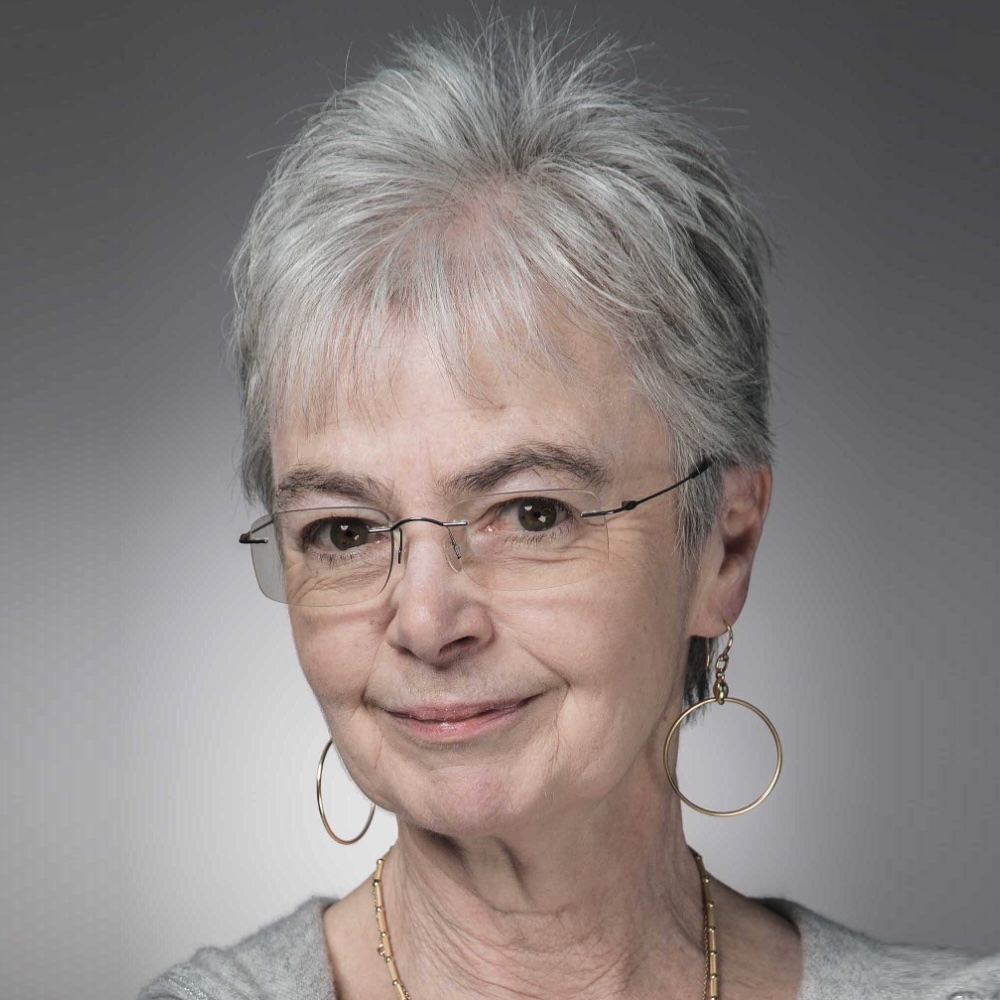 Prof. Catherine Housecroft, professor emerita at the University of Basel, joined the Editorial Board in 2018 and took over as Editor-in-Chief in 2020. She has invited guest editors from the most diverse fields of the chemical sciences to produce issues that covered all the traditional subjects and topics of increasing interest, such as AI, the environment, and materials science. With her extensive experience in publishing including editorships at other journals, she has contributed greatly to the running and development of CHIMIA. Catherine also has a strong interest in chemical education, publishing textbooks in inorganic chemistry, and is active in the SCS Division of Chemical Education. She edits and is a frequent author of the Chemical Education column in CHIMIA. The Editorial Board of CHIMIA is very grateful to Catherine for all her efforts in the past and is pleased to announce that she will take over as Chair of the Editorial Board from the beginning of 2026.
 Dr. Gillian Harvey, the current Chair of the Editorial Board, will resign this position at the end of 2025. She has worked for CHIMIA since 1999 as technical editor, incorporating and developing many changes to the publication processes including digitalisation. Gillian retired as technical editor at the beginning of 2024 and handed over to Gordon Honeyman. She took over as Chair of the Editorial Board in 2019 from Roland Kunz. Gillian introduced changes to the format and general appearance of the journal with a redesign of the title page and supported the webmaster Martin Brändle and SCS Head Office in setting up a website based on OJS to enable all activities from submission through to online publishing. This in turn enabled the journal to be flipped to diamond open access in 2020. Gillian is grateful to all the Editorial Board members over the years who supported her work and is also appreciative of the opportunities she was given to develop and to, hopefully, make a difference to CHIMIA.
G. Harvey, D. Spichiger, SCS
27.11.2025
EuChemS Magazine: November 2025

Policy, research and community perspectives on chemistry in Europe and beyond
Explore our monthly compilation of science-related policy developments in Europe and the latest EuChemS news in this newsletter. Check out our headline stories or read the EuChemS Magazine Online
Editorial by Floris Rutjes
Research
- Advancing food chemistry together
- Euroanalysis 2025: Analytical Chemistry to address societal challenges
- EuChemS CompChem 2025
Perspectives
- Strong debates, warm farewells, and new beginnings: EuChemS meets in Poznań
- ECC10 opens its doors: Submit your research to Europe's premier chemistry congress
- What's new from the EYCN, 2025
- EuChemS at IUPAC 2025
- EuChemS Landmark Award 2023 to the Blue Color Works at Modum, Norway
- Paying tribute to Theodor von Grotthus
Policy News
Interview
Read the full magazine on: https://www.magazine.euchems.eu/
David Spichiger, SCS
24.11.2025
Abstract submissions for ECC10 now open
That abstract submissions for the 10th EuChemS Chemistry Congress (ECC10) are open, and we motivate all our members to consider a participation and to represent Switzerland in Antwerp, Belgium, from July 12-16, 2026.
This prestigious biennial congress will unite the chemistry and life sciences communities for five days of cutting-edge science and collaboration at the state-of-the-art Flanders Meeting & Convention Center Antwerp (FMCCA) in Antwerp, Belgium.
Celebrating Excellence in Chemistry
We're thrilled to celebrate the recent announcement of the 2025 Nobel Prize in Chemistry, awarded to Susumu Kitagawa, Richard Robson, and Omar M. Yaghi for their groundbreaking work in developing metal–organic frameworks (MOFs). These revolutionary molecular structures demonstrate chemistry's power to address global challenges: from harvesting water in arid regions to carbon capture and catalysis.
Notably, Professor Yaghi presented his pioneering research at ECC9 in Dublin, exemplifying the caliber of speakers and science that defines the EuChemS Chemistry Congresses.
Website and registration
https://euchems2026.eu
Submit your abstract
Researchers can present breakthrough work through oral presentations or poster sessions across 8 congress themes. All submitted abstracts undergo blind peer review to ensure scientific quality, innovation, and contribution to the field.
Key dates
Call for abstracts open: 20 October 2025
Call for abstracts closes: 20 December 2025
Notification of authors: 10 March 2026
David Spichiger, SCS
17.11.2025
Chemical Landmark 2026 of the SCNAT honors Arosa and Erwin Schrödinger
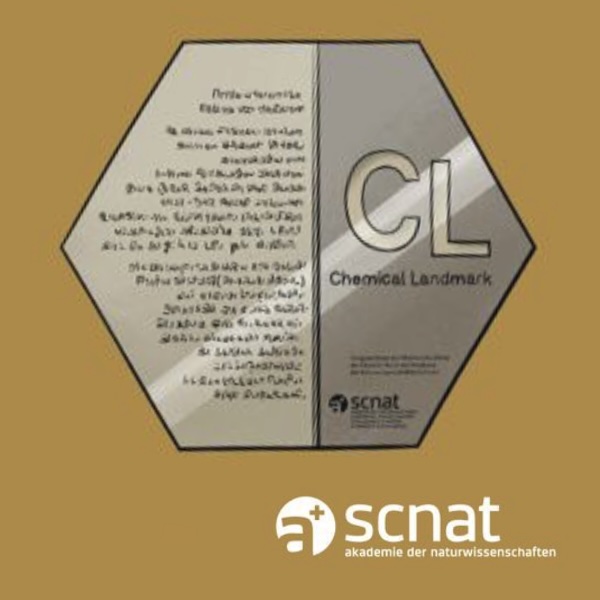
The Chemistry Platform of the Swiss Academy of Sciences has established the “Chemical Landmark” program to identify and highlight scientific and technological heritage in the field of chemistry within Switzerland.
Switzerland is particularly grateful to chemistry, its discoveries and successes in research, and the resulting chemical industry for a large part of its economic success. Significant places in the history of chemistry here in Switzerland are designated as “Historical Sites of Chemistry” in order to remind chemists, students, teachers, historians, and the general public of chemical discoveries, famous chemists, and the places where they worked.
In January 2026, Arosa will be designated a Chemical Landmark. Exactly 100 years ago, Erwin Schrödinger formulated the equation named after him here as a basis for quantum mechanics.
Instead of following his passion for skiing, physicist Erwin Schrödinger developed the so-called Schrödinger equation during his Christmas vacation in Arosa in 1925/1926. This equation allows us to describe the behavior of the smallest particles: not where they are, but how likely it is that they are at a certain position. The equation forms the foundation of quantum physics and quantum chemistry and has revolutionized science and society. Without it, there would be no computers, solar cells, GPS, or smartphones, among other things. In 1933, Schrödinger received the Nobel Prize for his work.
On January 11, 2026, the Platform Chemistry of the SCNAT invites interested community members to celebrate this achievement in Arosa. The event at Hotel Blatter's (Blatter's Arosa Hotel, Untere Waldpromenade 2-6, 7050 Arosa) is open to the public, but space is limited. Please register here:
Registration Chemical Landmark 2026, Arosa
Moderation: Prof. Dr. Caspar Hirschi (Universität St. Gallen)
16.00 Begrüssung - Prof. Dr. Jean-Marc Piveteau (Präsident SCNAT)
16.10 Erwin Schrödinger – Physiker jenseits der Konventionen
Dr. Dr. Magdalena Gronau (Leibniz-Zentrum für Literatur- und Kulturforschung, Berlin)
Martin Gronau (Leibniz-Zentrum für Literatur- und Kulturforschung, Berlin)
16.40 Quantenmechanik im Alltag - Prof. Dr. Andrea Hofmann (Universität Basel)
17.05 Von Wellenfunktionen zu Molekülen und Materialien – wie Schrödinger die Chemie veränderte - Prof. Dr. Fabian von Rohr (Universität Genf)
17.30 Spaziergang zur Gedenktafel – Laudatio und Enthüllung der Gedenktafel
Prof. Dr. Christian Bochet (Universität Fribourg),
Prof. Dr. Jean-Marc Piveteau (SCNAT),
Prof. Dr. Laura Baudis (Universität Zürich),
Yvonne Altmann (Gemeindepräsidentin Arosa),
Ingo Schlösser (Direktor Tschuggen Grand Hotel)
18.00 Apéro
19.00 Ende
Disclaimer: „The cathedrals of science were built by people, not by saints, and while some committed truly reprehensible acts, when we use their names, we recognize their scientific contributions and honour their intellectual legacy, not their morals or political views.” Anna Krylov
David Spichiger, SCS / SCNAT.ch
17.11.2025
Page 1 of 303